


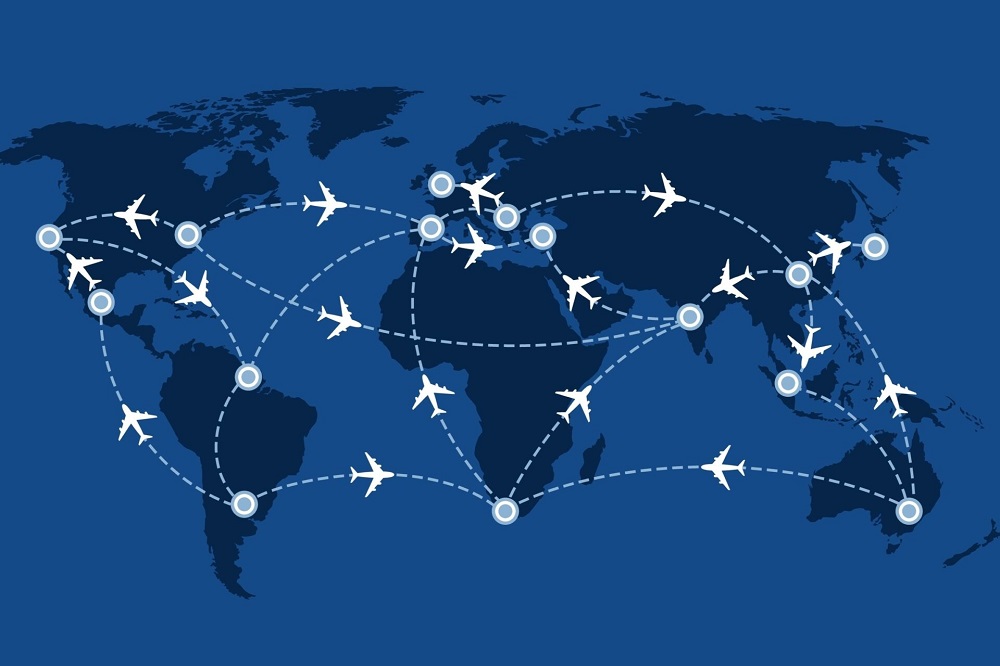
Airline route optimization has become one of the most critical strategies for improving operational efficiency and profitability in modern aviation. With rising fuel costs, fluctuating passenger demand, and increasing competition across global markets, airlines must rely on predictive travel demand models to design smarter route networks. These models help carriers anticipate where passengers are likely to travel, when they will travel, and how frequently service should operate.
Predictive analytics transforms route planning from a reactive process into a forward looking strategy. Instead of adjusting schedules after demand changes occur, airlines can forecast trends and position aircraft more effectively across regions. This approach improves passenger experience while strengthening financial performance.
As aviation becomes more data driven, predictive travel demand modeling is now a central component of airline planning systems.
Understanding Airline Route Optimization
Airline route optimization refers to the strategic planning of flight paths, schedules, aircraft assignments, and service frequency to match expected passenger demand while minimizing operational costs. The objective is to ensure that flights operate efficiently without underutilized capacity or missed market opportunities.
Optimization decisions typically consider
- passenger traffic trends
- airport slot availability
- aircraft performance capabilities
- fuel consumption patterns
- seasonal travel variations
- regulatory constraints
Predictive demand modeling strengthens these decisions by introducing accurate forecasts into planning processes.
When airlines align route networks with projected demand patterns, they improve both load factors and customer satisfaction.
Role of Predictive Travel Demand Models
Predictive travel demand models use historical booking data, economic indicators, seasonal behavior patterns, and real time travel signals to estimate future passenger volumes. These models allow airlines to anticipate demand shifts before they become visible through ticket sales alone.
Demand prediction models typically analyze
- historical route performance
- demographic travel trends
- tourism seasonality
- business travel cycles
- regional economic growth patterns
- event based travel surges
Combining these factors allows airlines to forecast route demand with greater precision.
Accurate forecasting supports smarter scheduling decisions and improves network flexibility.
Importance of Data Sources in Demand Forecasting
High quality data plays a central role in predictive route optimization systems. Airlines collect information from multiple sources to improve forecasting accuracy.
Important data inputs include
- booking history records
- search engine travel queries
- loyalty program activity
- airport traffic statistics
- macroeconomic indicators
- tourism board reports
Integrating diverse datasets helps models capture both short term fluctuations and long term travel patterns.
Better data visibility improves confidence in planning decisions across airline operations teams.
Seasonal Demand Patterns and Route Planning
Seasonality significantly influences airline route performance. Travel demand changes throughout the year due to holidays, weather conditions, school schedules, and tourism cycles.
Predictive models help airlines anticipate seasonal fluctuations such as
- summer vacation travel increases
- winter holiday traffic surges
- business travel slowdowns during certain months
- regional festival related travel peaks
By forecasting these patterns, airlines adjust capacity allocation proactively.
Seasonal planning improves aircraft utilization and reduces empty seat percentages.
Aircraft Assignment Optimization
Choosing the right aircraft for each route is essential for maximizing efficiency. Predictive demand models guide aircraft assignment decisions by estimating passenger volume on specific routes.
Aircraft assignment considerations include
- seating capacity requirements
- fuel efficiency characteristics
- route distance compatibility
- airport infrastructure limitations
- maintenance scheduling coordination
Matching aircraft size with expected demand improves load factor performance.
Optimized aircraft deployment reduces operating costs across the network.
Supporting Hub and Spoke Network Efficiency
Many airlines operate hub based route networks that connect regional destinations through centralized transfer points. Predictive modeling improves hub performance by forecasting connection flows between cities.
Demand forecasting helps airlines
- coordinate arrival and departure banks
- optimize transfer times
- increase connection reliability
- reduce passenger wait times
Efficient hub operations strengthen network connectivity across large geographic areas.
Predictive analytics ensures transfer hubs operate smoothly even during demand shifts.
Identifying Emerging Travel Markets
Airlines continuously evaluate opportunities to expand service into new destinations. Predictive demand models help identify markets where passenger interest is growing.
Market identification strategies include
- monitoring search trends for unserved routes
- analyzing tourism growth statistics
- tracking business investment activity
- evaluating competitor capacity changes
Forecasting tools help airlines introduce new routes with lower uncertainty.
Strategic expansion improves long term revenue growth potential.
Managing Fuel Efficiency Through Route Optimization
Fuel costs represent one of the largest operating expenses for airlines. Predictive route optimization supports fuel efficiency by aligning aircraft deployment with expected passenger demand.
Fuel optimization strategies include
- reducing unnecessary flight frequency
- assigning fuel efficient aircraft to appropriate routes
- minimizing empty seat capacity
- coordinating scheduling with wind pattern forecasts
Improved fuel planning reduces environmental impact while supporting financial sustainability.
Predictive analytics strengthens decision making across route planning departments.
Enhancing Passenger Experience Through Demand Alignment
Passenger satisfaction improves when airlines match service availability with travel expectations. Predictive demand modeling helps ensure that flights operate at convenient times with appropriate seating capacity.
Passenger experience benefits include
- fewer overbooked flights
- improved schedule reliability
- shorter connection times
- better availability during peak travel periods
Accurate demand forecasting helps airlines maintain consistent service quality across routes.
Satisfied passengers contribute to stronger brand loyalty and repeat bookings.
Responding to Economic Conditions and Market Changes
Economic conditions strongly influence travel demand patterns. Predictive models allow airlines to respond quickly to changes in economic activity.
Important economic indicators include
- employment growth trends
- exchange rate fluctuations
- regional business investment levels
- consumer spending patterns
Monitoring these indicators helps airlines adjust route capacity before demand shifts become visible in booking data.
Economic awareness improves planning accuracy across international route networks.
Integration With Revenue Management Systems
Airline route optimization works closely with revenue management systems that adjust ticket pricing based on demand forecasts. Predictive demand modeling supports both scheduling and pricing strategies.
Integration benefits include
- improved seat inventory control
- optimized fare availability planning
- enhanced yield management accuracy
- better forecasting of peak travel periods
Coordinated planning improves profitability across airline networks.
Demand forecasts help airlines balance pricing strategies with route scheduling decisions.
Role of Artificial Intelligence in Route Optimization
Artificial intelligence strengthens predictive travel demand models by identifying patterns across large datasets that traditional forecasting methods may miss.
AI driven route optimization supports
- automated schedule adjustments
- continuous demand monitoring
- anomaly detection in travel behavior
- scenario based route planning simulations
AI tools improve forecasting accuracy across complex airline networks.
Automation also reduces planning time for route management teams.
Challenges in Predictive Travel Demand Modeling
Despite its advantages, predictive route optimization requires careful implementation and ongoing refinement.
Common challenges include
Data Integration Complexity
Combining multiple data sources requires strong analytics infrastructure.
Unexpected External Events
Weather disruptions, geopolitical developments, and public health concerns may influence travel behavior unexpectedly.
Airport Capacity Constraints
Slot availability limits schedule flexibility in high traffic airports.
Competitive Market Pressures
Competitor route changes may influence demand forecasts across overlapping markets.
Addressing these challenges improves the reliability of predictive modeling systems.
Future Trends in Airline Route Optimization
Predictive travel demand modeling continues evolving as analytics technologies become more advanced. Airlines are investing in smarter forecasting tools that support dynamic route planning.
Emerging developments include
- real time booking trend analysis
- integration with tourism forecasting systems
- automated route network simulation platforms
- predictive sustainability planning for emissions reduction
- enhanced collaboration between airports and airlines using shared analytics platforms
These innovations will strengthen route optimization strategies across global aviation networks.
Airlines that adopt predictive modeling technologies position themselves to respond more effectively to changing travel patterns.
Demand driven planning represents the future of efficient airline route management.
FAQ Section
How accurate are predictive travel demand models in aviation planning
Forecast accuracy depends on data quality and modeling techniques, but modern systems provide strong guidance for route planning decisions.
Can predictive models help airlines reduce flight cancellations
Yes. Forecasting helps airlines align schedules with expected demand, reducing the likelihood of low occupancy cancellations.
Do low cost carriers use predictive route optimization systems
Yes. Both traditional and low cost airlines rely on demand forecasting tools to improve scheduling efficiency.
How do airlines forecast demand for new destinations without historical data
Airlines analyze tourism growth indicators, search trends, regional economic activity, and competitor presence to estimate demand for new routes.
Can predictive demand models support environmental sustainability goals
Yes. Aligning aircraft capacity with expected demand reduces unnecessary fuel consumption and lowers emissions.
How frequently do airlines update route demand forecasts
Forecasts are updated regularly, often weekly or monthly, depending on operational requirements and market conditions.
What role do airports play in supporting airline route optimization strategies
Airports provide traffic data, infrastructure availability insights, and slot coordination support that help airlines plan efficient route networks.
