


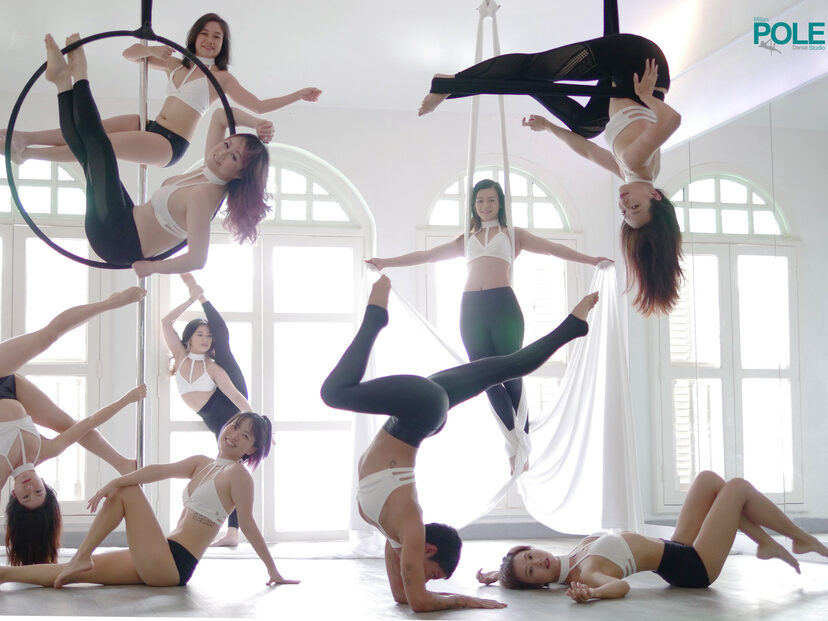
In today’s fast-paced, screen-centric lifestyle, many Singaporeans are dealing with chronic pain, muscular tightness, and limited mobility—whether from desk-bound jobs, long commutes, or post-injury recovery. One effective yet often overlooked path to healing is aerial yoga, which combines therapeutic movement with spinal decompression and core engagement through the use of a suspended hammock.
Unlike high-impact workouts or rigid physiotherapy routines, aerial yoga is gentle on the joints and adaptable for all body types. It offers unique advantages for people recovering from physical discomfort, surgeries, or repetitive strain injuries, making it a compelling option in rehabilitative wellness across Singapore.
Understanding the Healing Potential of Aerial Yoga
At its core, aerial yoga is about support and surrender. The hammock acts as a prop that holds the body in mid-air, allowing for greater ease in movement. This reduces strain on the musculoskeletal system while improving circulation and promoting proper alignment.
When guided by trained instructors, aerial yoga becomes a low-impact, full-body workout that aids in:
- Spinal decompression
- Joint mobility
- Muscle lengthening
- Neuromuscular coordination
- Stress reduction (which aids physical recovery)
This makes it a valuable addition to any recovery or pain management plan, especially when integrated with medical advice.
How Suspension Helps in Postural Correction
Many physical discomforts arise from poor posture—rounded shoulders, forward neck posture, and compressed lower backs are common among office workers in Singapore. Aerial yoga helps reverse these issues by promoting spinal traction.
In poses like the aerial downward dog or hanging inversion, gravity helps to elongate the spine and relieve compression between vertebrae. Over time, this can ease tension in the lower back, neck, and shoulders.
Benefits of Aerial Yoga for Posture:
- Restores natural spinal curves without aggressive manipulation
- Strengthens the back muscles that support upright alignment
- Improves proprioception (body awareness), leading to better posture in everyday life
Recovery from Injuries and Chronic Pain
Aerial yoga is often recommended as part of a rehabilitation programme for conditions such as:
- Lower back pain
- Sciatica
- Herniated discs
- Frozen shoulder
- Hip tightness
- Knee discomfort
Since the hammock supports partial or full body weight, it reduces pressure on injured joints while enabling controlled stretching and strengthening.
Key Recovery Elements in Aerial Yoga:
- Progressive loading: Start with simple poses and gradually advance without overexertion
- Passive traction: Gentle decompression relieves pain caused by compression and tightness
- Improved joint lubrication: Movement in suspension stimulates synovial fluid in joints
- Muscle reconditioning: Especially useful post-surgery or after periods of immobility
Note: Always consult with your physiotherapist or doctor before starting aerial yoga as a part of recovery.
Pain-Free Flexibility and Strength Building
One of the main obstacles in rehabilitation is the fear of aggravating existing injuries. Aerial yoga allows you to improve flexibility without pushing past pain points. The hammock cushions your movements, which makes stretching safer and more effective.
Even strength training becomes more approachable. Poses like suspended planks, lunges, and pull-ups can be modified based on your ability and range of motion.
Muscle Groups Activated Safely:
- Core muscles for stability and injury prevention
- Shoulder stabilisers for posture and overhead movement
- Glutes and hamstrings for lower body balance and power
- Spinal extensors to support upright posture
Over time, this builds resilience, ensuring that recovered areas don’t become vulnerable again.
Mental and Emotional Recovery Matters Too
Healing is not just physical. Injury, chronic pain, and limited mobility often take a toll on mental health. Aerial yoga incorporates mindfulness, breath control, and gentle, rhythmic movement—all of which contribute to emotional well-being.
The meditative aspects of floating in a hammock help calm the nervous system. This is particularly helpful for those who experience anxiety related to pain or movement limitations.
Practitioners often describe feelings of:
- Deep relaxation
- Renewed trust in their bodies
- Emotional release and lightness
- Increased confidence in movement
This holistic healing experience helps reinforce positive associations with physical activity—crucial for long-term recovery.
Adapting Aerial Yoga to Your Body’s Needs
One of the great things about aerial yoga is its adaptability. Every session can be tailored to your mobility level, comfort zone, and recovery status.
Personalised Adjustments May Include:
- Height of hammock: Lower setups for less strain on shoulders or knees
- Duration of holds: Shorter holds during early sessions to prevent fatigue
- Modified entry/exit: Easier transitions for those with limited mobility
- Focus areas: Target specific areas (e.g., hip openers or backbends) depending on recovery goals
Whether you’re attending a beginner class or a therapeutic workshop, always inform your instructor of your injury or condition. With proper modifications, aerial yoga becomes a safe, healing environment.
Why More Singaporeans are Turning to Aerial Yoga for Rehab
In Singapore, there is a growing interest in alternative and complementary movement therapies that go beyond conventional gym routines. Aerial yoga fits this need by offering a calming, supportive practice that combines fitness with therapeutic benefits.
Studios that understand the healing power of movement are leading this trend, providing safe spaces for individuals to recover at their own pace. A good example is Yoga Edition, known for its expert-led sessions that balance challenge with compassion and accessibility.
Who Can Benefit from Aerial Yoga Rehab?
While aerial yoga can benefit nearly anyone, it’s especially valuable for:
- Older adults seeking gentle movement to maintain mobility
- Athletes recovering from overuse injuries
- Office workers dealing with chronic postural strain
- Postpartum mothers rebuilding strength and core control
- Seniors or those with arthritis looking for joint-friendly exercise
As a non-impact, highly adaptable method, aerial yoga bridges the gap between rehabilitation and active living.
Real-Life FAQ
Q: Can I do aerial yoga if I’m recovering from a back injury?
A: Yes, but only with clearance from your physiotherapist or doctor. Aerial yoga’s spinal decompression and core engagement can be highly beneficial, especially when guided by experienced instructors.
Q: Is aerial yoga painful?
A: No. In fact, the hammock reduces pressure on joints and muscles, making it less painful than many ground-based exercises. Some minor muscle soreness is normal, especially if you’re new to movement.
Q: Will I be able to customise poses during class?
A: Absolutely. Let your instructor know about your physical limitations, and they will guide you through modifications to ensure safety and comfort.
Q: Is aerial yoga better than physiotherapy for recovery?
A: Aerial yoga complements physiotherapy but does not replace it. Think of it as a bridge between rehabilitation and independent movement—it helps reinforce strength, posture, and confidence.
Q: I have no prior yoga experience. Can I still join?
A: Yes. Aerial yoga is beginner-friendly, and many studios offer classes specifically for newcomers or those with physical concerns.
