


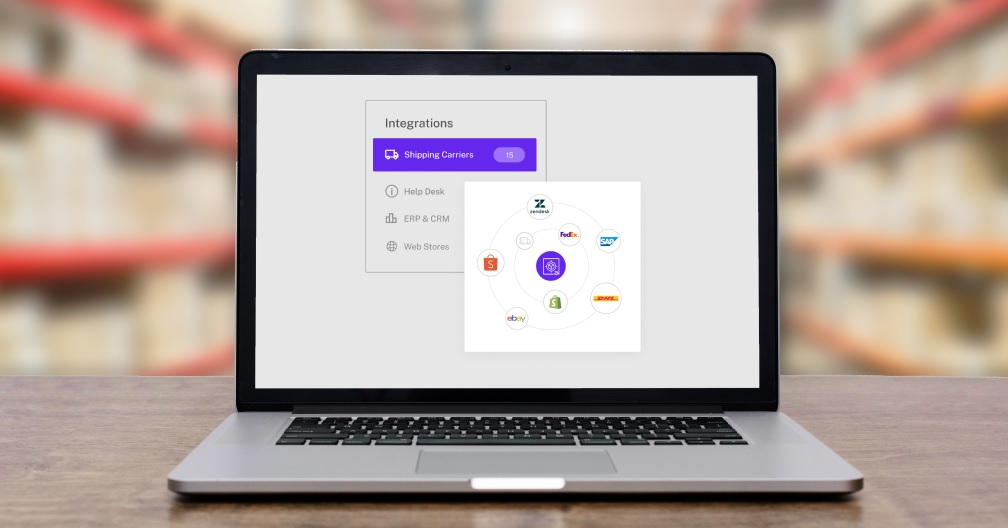
The automotive repair industry is rapidly evolving, driven by technology that streamlines operations, enhances customer service, and boosts profitability. Central to this evolution is the concept of integration in shop software. Modern auto repair shops are no longer relying on isolated software for scheduling, invoicing, inventory, and customer management. Instead, integrated software platforms are redefining how workshops operate, enabling seamless communication between systems, real-time data sharing, and smarter decision-making. Understanding how integrations are shaping the next generation of shop software is critical for garage owners seeking to stay competitive and efficient.
Understanding Integrations in Shop Software
Integration refers to the ability of different software applications, systems, or devices to communicate and share data seamlessly. In automotive repair shops, this means connecting multiple platforms such as:
- Management Systems: Appointment scheduling, technician workflows, and service tracking.
- Inventory Platforms: Parts management, supplier ordering, and stock tracking.
- Customer Relationship Management (CRM): Customer histories, service reminders, and communication.
- Financial Tools: Invoicing, payroll, and accounting software.
- Diagnostic Tools and Telematics: Connected vehicle data for real-time insights and repair accuracy.
By integrating these systems, shops can operate cohesively, eliminating silos, reducing manual tasks, and improving overall workflow efficiency.
Benefits of Integrated Shop Software
Integrating shop software provides numerous operational and strategic advantages for both single-location and multi-location operations:
Streamlined Workflow
- Centralized Information: All data, from service history to inventory, is available in one interface.
- Reduced Redundancy: Eliminates the need to input the same data across multiple systems manually.
- Enhanced Coordination: Technicians, service advisors, and management can work in sync, reducing delays and errors.
Improved Customer Experience
- Faster Service: Integrated diagnostics, parts tracking, and scheduling allow for quicker turnaround times.
- Consistent Service Records: Customers receive uniform, accurate information across all interactions and locations.
- Personalized Communication: CRM integration enables targeted service reminders and promotions based on vehicle history.
Enhanced Decision-Making
- Real-Time Analytics: Integrated platforms provide dashboards with live metrics on revenue, technician productivity, and inventory levels.
- Predictive Insights: Historical and real-time data can inform staffing, parts procurement, and service trends.
- Data-Driven Strategy: Shop owners can make informed decisions on expansion, marketing, and resource allocation.
Cost Efficiency
- Reduced Manual Labor: Automation and integration reduce administrative tasks, freeing staff to focus on high-value activities.
- Optimized Inventory Management: Accurate tracking and predictive ordering reduce waste and ensure critical parts are always available.
- Error Reduction: Integrated systems minimize mistakes caused by manual data entry, improving billing accuracy and service quality.
Key Integration Areas in Modern Shop Software
The next generation of shop software leverages integrations across several critical areas:
Scheduling and Technician Management
- Dynamic Appointment Allocation: Integrated systems assign jobs based on real-time availability and technician skillsets.
- Cross-Location Scheduling: Multi-location shops can manage appointments from a single platform, balancing workloads efficiently.
- Automated Notifications: Technicians and customers receive updates automatically, reducing missed appointments and delays.
Inventory and Parts Integration
- Real-Time Stock Tracking: Parts usage and availability are updated live, ensuring technicians have the components they need.
- Supplier Connectivity: Automated orders are generated when stock falls below thresholds, reducing downtime.
- Cost Tracking: Integration with financial systems allows accurate tracking of parts expenses per job or location.
CRM and Customer Engagement
- Unified Customer Profiles: Service histories, preferences, and contact information are consolidated for every vehicle.
- Automated Marketing: Integrated systems send reminders, promotions, and follow-ups without manual input.
- Service Insights: Analyze customer behavior and feedback to improve offerings and build loyalty.
Financial and Accounting Integration
- Invoice Automation: Labor, parts, and taxes are calculated automatically and synced with accounting platforms.
- Revenue Tracking: Real-time reporting enables accurate financial monitoring across locations.
- Payroll and Resource Management: Integrated time tracking ensures accurate compensation and scheduling adjustments.
Vehicle Diagnostics and Telematics
- Connected Vehicle Data: IoT and telematics feed diagnostic information directly into the shop software.
- Predictive Maintenance: Integration enables scheduling based on vehicle performance trends rather than fixed intervals.
- Enhanced Repair Accuracy: Technicians access live vehicle data, reducing diagnostic errors and repeat repairs.
Real-World Applications
Multi-location shops and fleet service providers are seeing measurable improvements with integrated software:
- Faster Turnaround: Integration between scheduling, parts inventory, and diagnostics reduces service completion times by up to 30%.
- Improved Accuracy: Live vehicle data integration reduces diagnostic errors, ensuring repairs are done right the first time.
- Higher Customer Satisfaction: Automated notifications and transparent service records increase trust and repeat business.
- Operational Consistency: Centralized dashboards allow management to monitor performance across all locations in real time.
Challenges and Considerations
While integrations offer substantial benefits, shops must address several considerations:
- Compatibility: Ensure that existing systems can integrate seamlessly without data loss.
- Training: Staff must learn to navigate and utilize integrated workflows effectively.
- Data Security: Integrated platforms consolidate sensitive customer and financial data, requiring robust cybersecurity measures.
- Cost of Implementation: Initial investment may be significant, but ROI is typically realized through efficiency gains and error reduction.
Effective planning and phased adoption can mitigate these challenges, ensuring a smooth transition to fully integrated operations.
Future Trends in Shop Software Integrations
The next generation of shop software will continue to push the boundaries of integration, including:
- AI-Enhanced Integration: Artificial intelligence will analyze data across platforms to provide predictive maintenance recommendations and workflow optimizations.
- Cloud-Based Unified Platforms: Centralized, cloud-hosted systems will enable real-time access across locations, reducing reliance on local servers.
- IoT Device Connectivity: More tools, diagnostic devices, and even vehicles will feed live data into integrated systems for proactive service.
- Advanced Analytics Dashboards: Shops will use integrated data to visualize operations, identify trends, and optimize resource allocation.
- Seamless Payment and Financing Integration: Customers will enjoy automated financing, loyalty rewards, and digital invoicing linked to service history.
These trends suggest a fully interconnected ecosystem where data flows seamlessly across workshops, fleets, suppliers, and customers.
FAQ
Q: How do integrations improve multi-location shop management?
A: Integrations centralize data from all locations, standardize workflows, and enable real-time monitoring of appointments, inventory, and technician performance.
Q: Can small shops benefit from integrated software?
A: Absolutely. Even single-location garages gain efficiency, reduce errors, and enhance customer experience by linking scheduling, inventory, CRM, and accounting systems.
Q: Are integrated platforms secure?
A: Modern integrated systems use encryption, access controls, and secure cloud storage to protect sensitive customer, vehicle, and financial data.
Q: How do integrations affect service accuracy?
A: By connecting diagnostics, inventory, and workflow management, technicians have all necessary information in one place, reducing errors and repeat repairs.
Q: What is the ROI of implementing integrated shop software?
A: ROI is realized through improved efficiency, reduced manual labor, fewer errors, optimized inventory, and enhanced customer satisfaction, often within the first year.
Integrations are defining the next generation of shop software by unifying workflows, data streams, and customer interactions into a single, cohesive platform. By connecting scheduling, inventory, diagnostics, CRM, and financial tools, auto repair shops can operate more efficiently, deliver higher service quality, and scale effectively. As technology continues to evolve, integrated software will become essential for modern garages seeking to optimize performance and enhance customer experience across all locations.
