


The automotive industry is undergoing significant advancements driven by technology, sustainability, and changing consumer preferences. With manufacturers competing to refine efficiency, safety, and performance, the sector continues to push boundaries. Below are some of the most impactful trends reshaping modern automobiles.
Electrification and the Rise of Alternative Energy Vehicles
Electric vehicles (EVs) have moved from niche interest to mainstream adoption, supported by advancements in battery technology and charging infrastructure. Automakers are investing heavily in developing long-range EVs with faster charging times, making them a viable alternative to traditional combustion-engine models.
Beyond battery-powered options, hydrogen fuel cell vehicles are also gaining traction, particularly in the commercial transport sector. These vehicles offer rapid refueling and extended range, presenting a compelling solution for heavy-duty applications. Governments worldwide are incentivizing these technologies through subsidies and regulations, further accelerating their adoption.
The Advancement of Autonomous Driving Technology
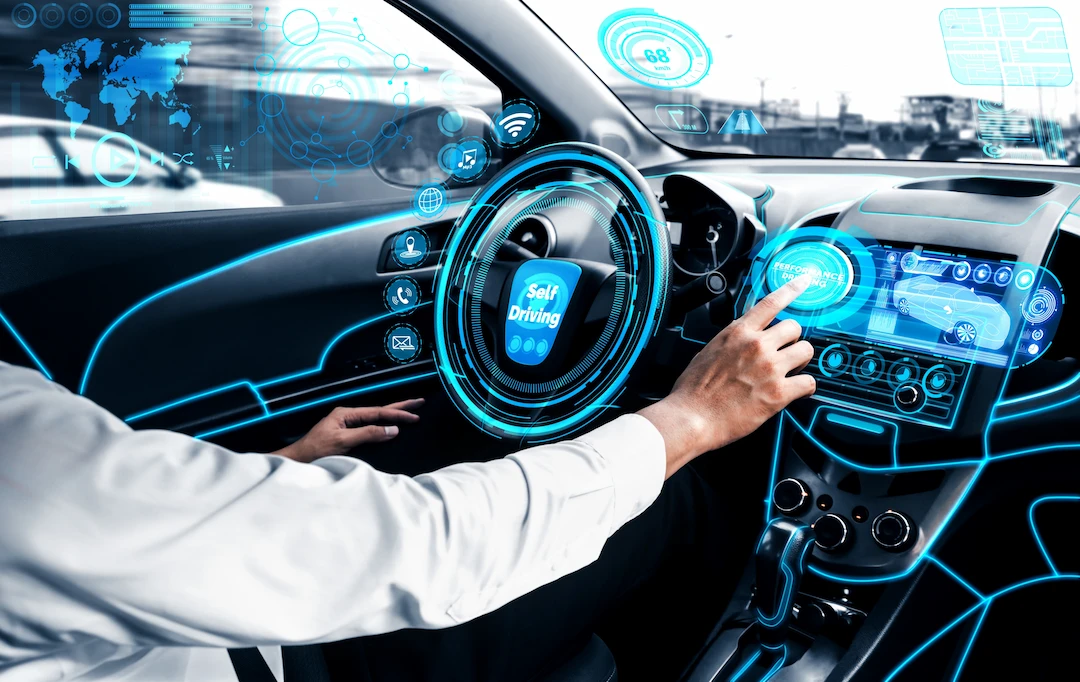
Self-driving technology has progressed significantly, with levels of automation varying from driver assistance to fully autonomous operation. While complete autonomy remains in the development stage, semi-autonomous features such as adaptive cruise control, lane-keeping assistance, and automated parking have already become standard in many vehicles.
Artificial intelligence and sensor technologies play a crucial role in refining these capabilities. LiDAR, radar, and cameras work together to create a comprehensive understanding of the vehicle’s surroundings, improving both safety and efficiency. Although regulatory challenges remain, the industry is steadily moving toward greater levels of automation, promising enhanced safety and convenience for drivers.
Connectivity and Smart Vehicle Integration
Modern vehicles have transformed into sophisticated digital hubs, offering advanced infotainment systems, over-the-air updates, and real-time diagnostics. With 5G integration, cars can communicate seamlessly with other vehicles and infrastructure, reducing traffic congestion and improving navigation accuracy.
These advancements extend to vehicle security as well. Biometric authentication and AI-driven cybersecurity measures are being implemented to protect against digital threats. The ability to remotely update software ensures that vehicles remain equipped with the latest features without requiring a visit to a dealership.
The Expansion of Sustainable Manufacturing
Beyond reducing emissions through electric powertrains, automakers are focusing on sustainability throughout the production process. Recycled materials, eco-friendly paints, and energy-efficient factories contribute to a reduced environmental footprint. Some manufacturers are adopting circular economy principles, designing vehicles with materials that can be repurposed at the end of their lifespan.
Lightweight materials such as carbon fiber and aluminum alloys are also playing a significant role in enhancing fuel efficiency. By reducing vehicle weight without compromising structural integrity, these materials contribute to improved performance and lower energy consumption.
The Evolution of Performance and Design
While sustainability and technology drive much of the industry’s progress, performance and design remain central to consumer appeal. Advances in aerodynamics, suspension systems, and powertrains continue to redefine expectations for both electric and traditional vehicles.
Luxury automakers are integrating cutting-edge technology to offer superior comfort and driving dynamics. Features such as adaptive suspension, AI-assisted driving modes, and customizable interiors enhance the driving experience. Meanwhile, the resurgence of classic design elements, blended with modern aesthetics, provides a unique visual identity for new models.
The Growing Influence of Shared Mobility and Subscription Models
Traditional car ownership is being challenged by new mobility concepts, including ride-sharing, car-sharing, and vehicle subscription services. These alternatives offer flexibility without long-term commitments, appealing to urban dwellers and those seeking cost-effective transportation solutions.
Automakers are responding to this shift by partnering with mobility service providers and launching their own subscription-based models. This trend not only broadens consumer choice but also promotes more efficient vehicle utilization, reducing traffic congestion and urban pollution.
Conclusion
The automotive landscape continues to evolve through technological breakthroughs, sustainability initiatives, and shifts in consumer behavior. Each of these advancements contributes to a more efficient, safer, and more connected driving experience. As manufacturers embrace these trends, the future of mobility promises greater innovation and refinement, shaping the way vehicles integrate into modern lifestyles.
