


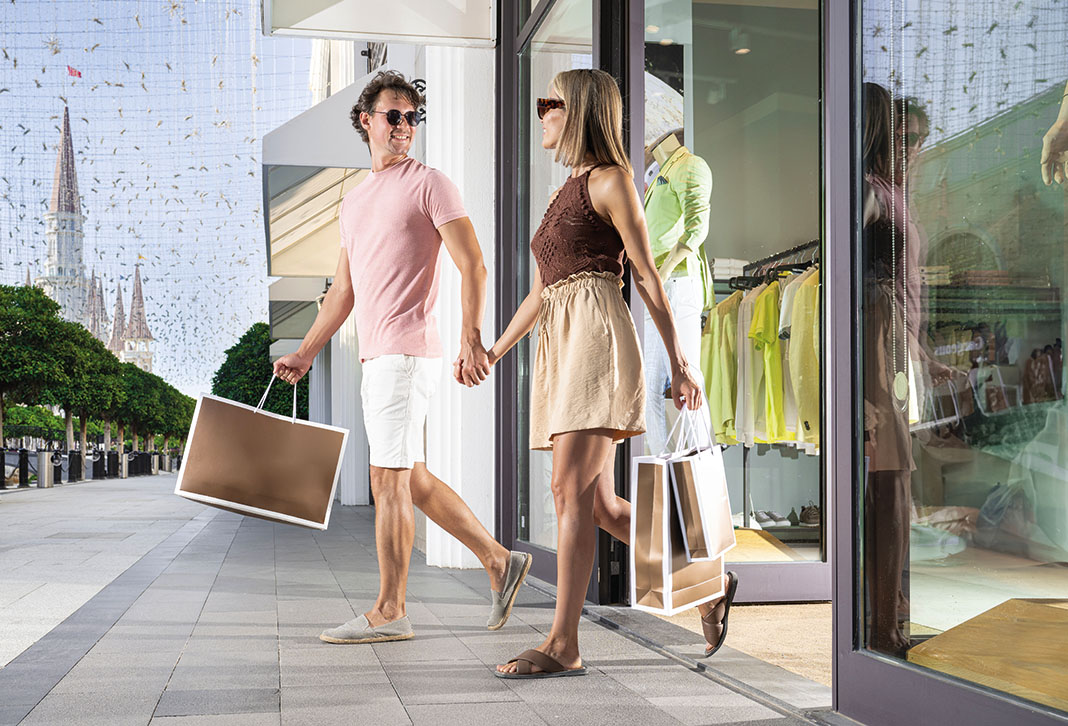
Shopping has always been more than a transaction—it reflects cultural shifts, personal expression, and advancements in technology. As consumer expectations evolve, retailers and brands refine their approach to meet demand with convenience, quality, and innovation. From digital transformations to sustainable purchasing habits, shopping continues to shape the way people interact with products and services.
The Influence of E-Commerce and Digital Shopping
Online shopping has become an essential part of retail, offering convenience and an extensive range of options. Digital storefronts provide consumers with the ability to browse, compare, and purchase products without geographical limitations. Secure payment gateways and real-time tracking have further enhanced the experience, giving buyers confidence in their transactions.
Retailers have embraced artificial intelligence to personalize recommendations based on browsing history and preferences. This tailored approach enhances customer satisfaction and increases engagement. Additionally, live shopping events, where brands showcase products in real-time through video streaming, bring an interactive dimension to digital retail, blending entertainment with commerce.
The Rise of Experiential Shopping
Brick-and-mortar stores remain relevant by adapting to changing expectations. Consumers seek immersive experiences that go beyond traditional retail transactions. Concept stores, pop-up installations, and interactive displays create an environment where shopping becomes engaging rather than routine.
Luxury brands, in particular, have refined their in-store approach to reflect exclusivity and craftsmanship. Personalized consultations, bespoke packaging, and made-to-order services transform a simple purchase into an experience worth remembering. Even mainstream retailers integrate technology, using augmented reality to allow customers to visualize furniture in their homes or try on clothing virtually before making a decision.
The Impact of Sustainability on Consumer Choices
Modern shoppers prioritize ethical and sustainable options, prompting brands to adopt responsible practices. Recyclable packaging, eco-friendly materials, and transparent sourcing have become key factors influencing purchasing decisions. Businesses that commit to sustainability are not only meeting regulatory expectations but also building trust with their customers.
Second-hand and refurbished markets have grown significantly, particularly in fashion and electronics. Consumers appreciate the ability to purchase high-quality items with extended lifespans while reducing waste. This shift has led major brands to introduce resale programs, offering pre-owned luxury goods or refurbished technology directly through their platforms.
The Evolution of Payment Methods
Convenience in payment processing has transformed shopping experiences both online and in physical stores. Digital wallets, contactless payments, and buy-now-pay-later services provide flexibility, catering to different financial preferences. Retailers that streamline their checkout process reduce friction, ensuring that customers complete transactions effortlessly.
Cryptocurrency and decentralized finance are also making their way into the retail sector. Select brands accept digital currencies, appealing to a tech-savvy consumer base interested in alternative payment options. While still in the early stages, these developments indicate a future where financial transactions become even more versatile.
The Psychology Behind Shopping Decisions
Emotional connections influence shopping behavior as much as practical considerations. Brands leverage storytelling, exclusivity, and scarcity to create desire and drive purchases. Limited-edition collections, personalized marketing, and brand collaborations often create heightened anticipation, encouraging consumers to act quickly.
Loyalty programs tap into this mindset by offering exclusive benefits to repeat customers. Whether through reward points, early access to sales, or complimentary services, businesses strengthen their relationship with consumers by providing incentives beyond standard transactions.
The Role of Technology in Retail Innovation
Advancements in artificial intelligence, virtual reality, and data analytics continue to reshape shopping. Smart mirrors that suggest outfit pairings, AI-driven chatbots providing real-time assistance, and voice-activated shopping through home devices streamline the process for modern consumers.
Data-driven insights allow brands to anticipate demand, ensuring that inventory meets expectations without excessive surplus. Retailers that harness technology effectively can refine their approach, balancing efficiency with customer satisfaction.
The Future of Shopping
The way people shop will continue to evolve as technology, sustainability, and experience-driven retail shape the industry. Consumers seek seamless interactions, quality products, and brands that align with their values. As businesses refine their strategies, the future of shopping promises innovation, sophistication, and a heightened appreciation for both digital and physical retail spaces.
